

Orthodontic treatments can cause slight pain or discomfort to teeth and gums. The anticipated pain makes people dread any orthodontic appointment, and all the brackets and wires involved in getting braces are intimidating. However, there are ways to reduce or relieve discomfort.
Understanding Braces Pain
Braces are shifting teeth and bones to achieve straighter teeth. Along with the straight smile braces, braces apply pressure and maybe some slight pain. To effectively relieve pain we need to understand the sources of it. Below is a list of reasons patients report they experience soreness or extra pressure when wearing braces.
- The installation required when getting braces will cause mild discomfort
- Pressure from the newly tightened equipment
- Brackets and wires may rub against the inner cheeks, causing chafing and potential cuts
- Having braces tightened and rubber bands put on will cause pain or discomfort initially until the mouth adjusts to the added tightness
- Even the days after initially removing braces will leave teeth and gums sensitive
Truthfully, the braces hurt a little bit. Thankfully, this discomfort usually resolves within a few days after our mouths adjust. If you experience pain for over a week, you should schedule an appointment with your local orthodontist. Additionally, here are tips and home remedies you can use today or now!
Stop Braces Pain Immediately
Pain Relief Before Your Appointment
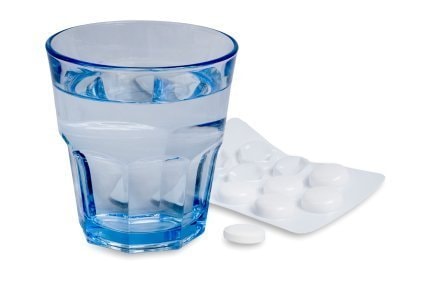
To alleviate discomfort before your appointment, take over-the-counter pain relievers about an hour beforehand, following the dosage instructions on the label. We state emphatically, to take over-the-counter pain relievers responsibly and as prescribed. This medication can reduce inflammation and help your mouth open during orthodontic treatment.
Braces Pain Relief For After Your Appointment
Apply Orthodontic Wax
After any orthodontic appointment, you should ask for enough orthodontic wax to last until your next visit. This wax acts as a barrier between the brackets and the inside of your mouth, helping to prevent irritation and allowing the skin to toughen over time.
Gargle With Salt Water
Rinsing your mouth with warm salt water after you have had your braces put on or tightened can help to reduce pain and will also aid in keeping bacteria at bay–a critical issue that can arise if your braces cause sores or cuts in your mouth at first. To effectively rinse with salt water, you’ll want to:
- Stir a quarter to half a teaspoon of table or sea salt with one cup of warm water until completely dissolved.
- Once your solution is ready, swish it around your mouth and your teeth for about 30-60 seconds. After the time is up, spit the salt-water solution out into the sink–do not swallow.
- Repeat as needed to reduce pain.
Heat And Cold Compress
An ice pack works great to reduce inflammation and soreness caused by braces. When using an ice pack, never put ice directly on the skin, instead wrap it with a cloth. Apply the ice pack with some pressure to the affected area for 10-20 minutes. You can repeat as often as necessary.
However, if you don’t seem to be experiencing pain relief from the ice pack, you may want to use a heating pad instead. Some patients find alternating between the two to be helpful. Hot peppermint tea bags are also used to apply heat to the affected area.
Ointments And Oral Anesthetics
If you are experiencing pain in specific areas of your mouth such as your upper or lower gums, you could try an over-the-counter medicated ointment such as Orajel. These medicated gels relieve pain, mildly numbing the area of application. You apply a drop of ointment on your finger and give the affected area a gum massage. You can also grab an oral anesthetic to help blood flow and mitigate pain.
Foods And Drinks For Pain Relief
Consuming cold foods such as ice cream, smoothies, or frozen yogurt can help reduce inflammation and numb the mouth. Avoid sugary items and limit your intake of ice cream to prevent cavities.

If you find cold foods uncomfortable, try hot or warm foods and drinks like soup, tea, or oatmeal. These can have a soothing effect on your mouth.
Eat soft foods such as yogurt, mashed potatoes, and soups to avoid aggravating your teeth. Eating soft foods may even feel good on your teeth. Throughout orthodontic treatment, avoid hard and sticky foods like caramels. Chewing gum may be allowed on exception, but consult with your orthodontic team.
Good Oral Hygiene Will Relieve Braces Pain
Are braces convenient? No, wearing braces is at times obnoxious. When you wear braces flossing between wires and brackets is not easy. Some people even stop flossing their teeth and stop wearing their rubber bands. Please DO NOT do this.
Good oral health will reduce inflammation during the adjustment period and help alleviate pain.
If you do not keep up with regular oral hygiene you will cause tooth decay, gum disease, and other conditions that will cause severe pain down the road.
Patience With Braces Pain
Like most things that are worth the wait, braces take time, and there will be a period when you feel mild pain and discomfort. But braces treatment is a blessing! Rather than focusing on how much your braces hurt, focus on the perfect smile you will soon have!
Find productive things to do that take the focus away from the pain and discomfort you may be experiencing. For example, going for a walk, spending time with friends, cooking, and meditating shift your focus beyond the pain. Plus, your braces hurt for just a few days before your teeth adjust.
If you experience persistent or severe pain, difficulty eating or speaking, or notice bleeding gums, it may be necessary to consult your orthodontist immediately.
Reach out to us right away! We want to help you get the smile of your dreams with as little pain as possible.